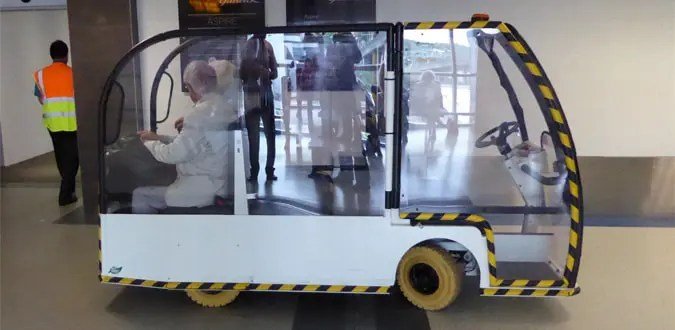
Navigating the complexities of air travel can be challenging even for the fittest among us, but for injured travelers or those with mobility issues, it can feel like a daunting expedition. Thankfully, a robust framework of Special Assistance Services for Injured Travelers exists, designed to transform potential obstacles into manageable steps, ensuring your journey is as comfortable and stress-free as possible. From the moment you consider booking your ticket until you arrive at your destination, airlines and airport staff are equipped to provide the necessary support, turning anxiety into assurance.
At a Glance: Key Takeaways for Injured Travelers
- Plan Ahead: Always request special assistance at least 48 hours before your flight. Last-minute requests might not be guaranteed.
- Medical Clearance: For certain conditions (recent injury, serious illness, late-stage pregnancy, oxygen needs), a doctor's "Fit to Fly" certificate is essential.
- Companion Required? If you can't independently understand safety instructions, move in an emergency, or attend to personal needs, you'll need a companion.
- Airport Arrival: Arrive early – 2-3 hours before your flight – to allow ample time for special assistance procedures.
- Mobility Aids: Wheelchairs and other mobility equipment are generally carried free of charge. Inform the airline of dimensions and battery types.
- Medication & Oxygen: Keep essential medications in hand luggage. If you need in-flight oxygen or medical devices, notify the airline and provide necessary documentation.
- Hidden Disabilities: Services like the Sunflower Lanyard help staff identify and support passengers with non-visible conditions.
Navigating the Skies with Care: Why Special Assistance Matters
Travel is an essential part of modern life, whether for business, leisure, or visiting loved ones. An injury, a chronic condition, or a temporary disability shouldn't close the door on these experiences. Special assistance services are not merely a courtesy; they are a fundamental right for passengers requiring extra support. Airlines understand that each traveler's needs are unique, and these services aim to level the playing field, making air travel accessible and dignified for everyone.
Imagine arriving at a bustling airport with a sprained ankle, struggling to push through crowds or stand in long lines. Or perhaps you're recovering from surgery, needing a controlled environment and specific medical support. These are precisely the scenarios where proactive engagement with Special Assistance Services for Injured Travelers makes all the difference. It ensures dedicated support from trained personnel, streamlined processes, and equipment tailored to your needs. Without these provisions, air travel for many would simply be impossible or, at best, a harrowing experience.
Your Journey's Blueprint: Planning Ahead for Assistance
The golden rule for securing special assistance is simple: request it early. Most airlines, including major carriers like Turkish Airlines and budget-friendly options like Wizz Air, stipulate that requests for special assistance should be made a minimum of 48 hours prior to your scheduled departure. This lead time is crucial. It allows the airline to coordinate with ground staff, arrange necessary equipment (like wheelchairs or oxygen cylinders), allocate appropriate seating, and ensure trained personnel are available.
How to Request Assistance:
- During Booking: The easiest way is often online when you purchase your ticket. Look for checkboxes or specific sections related to "Special Assistance," "Accessibility Needs," or "Disability Services."
- Via Your Booking: If you've already booked, most airlines allow you to modify your reservation online through your WIZZ Account, for example, or by contacting their customer service.
- Call Centre/Live Chat/Email: Direct communication channels are vital for specific or complex requests. For instance, Wizz Air provides an email (specialassistance@wizzair.com) and a Call Centre, while Turkish Airlines has a reservation unit.
- Be Specific: When requesting, clearly articulate your needs. Do you need wheelchair assistance from check-in to the gate? Do you require an onboard wheelchair? Are you traveling with a guide dog? The more detail you provide, the better the airline can prepare.
What Happens if You Request Late?
While airlines will do their best, late requests (especially those made after the airport check-in closure time or less than 48 hours out) are fulfilled based on availability and cannot be guaranteed. You might face delays, limited options, or even be denied certain services, which could significantly impact your travel plans.
Beyond the Basics: What Special Assistance Actually Covers
The scope of special assistance is broad, encompassing various needs and conditions. It's not just about wheelchairs; it’s about a comprehensive support system.
Mobility Support: Wheelchairs, Stretchers, and Broken Legs
- Wheelchair Services: This is one of the most common requests. Airlines offer complimentary wheelchair services from your arrival at the airport through security, to the boarding gate, and upon arrival at your destination. You simply need to request it.
- Personal Mobility Equipment: If you bring your own wheelchair, crutches, or walking frame, airlines typically allow two items of mobility equipment to be checked-in or carried onboard free of charge. It's crucial to inform the airline about the type (e.g., dry cell, non-spillable battery) and dimensions of your equipment, especially for non-collapsible items.
- Stretcher Travel: For severe injuries or medical conditions that prevent sitting upright, stretcher travel is an option. However, it's a significant undertaking. Turkish Airlines, for example, requires a companion (who must purchase a separate ticket) and a medical report issued within 10 days of the flight, explicitly confirming fitness to fly. A fee usually applies, and these requests absolutely must be submitted at least 48 hours in advance.
- Broken Leg Considerations: If you have a broken leg that cannot bend at the knee, you might need extra space. Wizz Air, for instance, requires passengers with this specific need to purchase an extra seat to accommodate the elevated leg. This is a critical detail to confirm with your airline to avoid complications at the airport. You might also want to review all about the cast for baggage claim to understand specific airline policies regarding casts.
Medical Equipment and In-Flight Needs
- Oxygen Cylinders: You generally cannot use your own compressed gas or liquid oxygen tanks onboard due to safety regulations. Airlines like Turkish Airlines and Wizz Air can provide oxygen, but this requires a medical certificate stating your specific oxygen needs (e.g., amount per minute, duration) and a "Fit to Fly" form. Be prepared for a fee for airline-provided oxygen, as Wizz Air charges 55 EUR for their service. This also requires a 48-hour prior inquiry.
- Respirators (POC/CPAP): Portable Oxygen Concentrators (POCs) and Continuous Positive Airway Pressure (CPAP) machines are generally permitted. These devices must be FAA-approved. While they can often be carried switched off without a medical form, if you intend to use them in-flight (excluding take-off and landing), you'll need a doctor’s certificate confirming its necessity and your fitness to fly. Importantly, you must bring enough batteries to last 1.5 times the flight duration as in-flight power cannot be guaranteed. Protect battery terminals to prevent short circuits.
- Medications: Always carry essential medications, especially insulin for diabetics, in your hand luggage. While diabetic passengers often don't need a report for insulin, passengers with other medical conditions requiring in-flight medication should carry their prescriptions or a doctor's letter to avoid issues with security or customs. Remember, onboard refrigeration for medication is typically not available.
Personal Care and Companion Requirements
- Companion Mandate: Airlines prioritize safety. If you are unable to meet your personal needs independently, understand and respond to safety instructions, or manage emergencies without assistance, you must travel with a companion. This companion must be an able adult (usually over 16) who purchases a separate ticket and can assist you throughout the journey. The airline will usually seat your companion next to you or in the same row if special assistance was pre-notified.
- Cabin Crew Limitations: While cabin crew are trained in first aid and emergency procedures, their role is not to provide personal care. They cannot assist with eating, administering medication, or helping you in the toilet. An onboard wheelchair might be available to move you to the toilet, but you (or your companion) must be able to transfer yourself.
Understanding Medical Requirements and Your "Fit to Fly"
For many conditions requiring special assistance, especially those concerning recent injuries, surgeries, or specific medical devices, a medical certificate or "Fit to Fly" report is non-negotiable.
What to Expect with Medical Certificates:
- Doctor's Report: This report, typically issued within 10 days of your flight, must explicitly state "There is no objection to traveling by plane." It should include your doctor's name, surname, diploma number, signature, and the date.
- When It's Mandatory:
- Stretcher travel or airline-provided oxygen.
- In-flight use of medical devices like POCs or CPAP machines.
- Pregnant women beyond certain weeks: Wizz Air, for example, requires a medical certificate for single pregnancies beyond 28 weeks (up to 34 weeks allowed) and twin pregnancies beyond 28 weeks (up to 32 weeks allowed).
- Contagious diseases: To ensure the safety of other passengers, a medical certificate issued within 6 days of the flight is required.
- Any condition where there's "reasonable doubt about safe flight completion."
- Recommendation: Even if not explicitly required, consulting your doctor before flying with a health concern is always a wise step. They can advise on precautions, medications, and potential risks.
Navigating the Airport: From Check-in to Take-off
Airport procedures can be overwhelming, but special assistance streamlines them considerably.
- Early Arrival is Key: Regardless of online check-in, passengers with medical conditions or disabilities should arrive earlier than standard passengers. Turkish Airlines recommends at least 2 hours prior for domestic flights and 3 hours for international flights. This extra time accounts for special check-in procedures, security screening, and transport to the gate.
- Priority Services: Upon request, special needs passengers typically receive priority for check-in, passport control, and boarding. This can significantly reduce stress and physical strain. Preferred seating, based on availability and suitability (e.g., proximity to toilets, extra legroom), is also often provided.
- Meet and Assist Services: For those with visual or hearing impairments, airlines offer Meet and Assist services from check-in to the departure gate, including priority boarding.
- Security Checks: Be prepared for security checks with your mobility equipment and medical devices. Inform security staff about any implants, non-removable medical items, or specific needs.
Traveling with Companions, Guide Dogs, and Hidden Disabilities
Special assistance extends beyond physical mobility to cater to a broader spectrum of needs.
- Guide and Assistance Dogs: Certified guide dogs and assistance dogs are generally accepted in the cabin free of charge. Like their human companions, they require reservations (up to 48 hours prior) and must have valid health, identification, vaccination, and destination country documents. They usually sit uncaged at the owner's feet. It's important to note that some airlines, like Wizz Air, specify that emotional support animals are not accepted, focusing solely on certified assistance dogs. Always confirm the airline's specific policy.
- Sign Language: For hearing-impaired passengers, some airlines go the extra mile. Turkish Airlines, for instance, offers sign language services via their video call center, which can be incredibly helpful for pre-flight inquiries.
- Sunflower Lanyard Service: A fantastic initiative, the Sunflower Lanyard identifies passengers with hidden disabilities, such as dementia, anxiety, autism, or learning difficulties, who may need extra help, time, or understanding. This service, available free at Istanbul Airport's Assisted Check-in Counter without requiring proof of condition, signals to staff that you might need a little more patience or a different approach. It's a simple, effective tool for communication without explicit verbal requests.
When Things Go Wrong: Addressing Concerns and Filing Complaints
Even with the best planning, issues can arise. Knowing your rights and the channels for resolution is empowering.
- Mishandled Mobility Equipment: If your wheelchair or other mobility equipment is lost or damaged, report it immediately before leaving the arrival hall. Request a Property Irregularity Report (PIR). Be aware that liability for damaged baggage, including mobility equipment, is typically limited by international conventions like the Montreal Convention (e.g., to 1131 SDRs per passenger).
- Complaints Resolution Official (CRO) - USA Flights: For flights to/from the United States, specific regulations apply under 14CFR Part 382. If you experience a disability-related problem with a US-bound or US-departing flight (like with Turkish Airlines), you have the right to speak with a Complaints Resolution Official (CRO). CROs are specially trained in US Department of Transportation (DOT) regulations and can be contacted at airports during operation hours or via email (e.g., CRO@THY.COM for Turkish Airlines). They are there to resolve issues on the spot. Formal complaints for alleged violations can also be filed with the DOT.
Smart Choices for a Smoother Trip: Practical Tips
Beyond the official services, a few personal strategies can make a significant difference.
- Pack Smart: Keep essential documents (medical certificates, prescriptions), medications, and battery packs for devices in your carry-on, easily accessible.
- Communicate Clearly: Don't hesitate to remind staff of your needs at each step of the journey – check-in, security, boarding, and even onboard. A polite reminder ensures you're not overlooked.
- Wear Comfortable Clothing: Ease of movement is key.
- Hydrate and Move (if possible): Stay hydrated and, if your condition allows, try to move or stretch during long flights to prevent stiffness or blood clots.
- Bring Your Own Food (Allergies): If you have severe allergies (e.g., nut allergy), be aware that airlines cannot guarantee a completely allergen-free aircraft. Bring your own safe food and your allergy medication (like an EpiPen) and inform the crew.
- Consider Discounts: If you're a Miles&Smiles member with a disability flying Turkish Airlines, remember to inquire about their 20% discount on domestic flights and 25% on international flights departing from Türkiye, after submitting proof of disability once.
Final Flight Path: Ensuring Your Comfort and Safety
Traveling with an injury or a condition requiring special assistance no longer means sacrificing comfort or peace of mind. By understanding the services available, planning meticulously, and communicating openly with your airline, you can ensure a journey that is not just possible, but genuinely pleasant. The commitment of airlines to providing robust Special Assistance Services for Injured Travelers reflects a broader move towards inclusive travel, ensuring that everyone, regardless of their physical challenges, can experience the joy and necessity of flying. Take the time to prepare, ask the right questions, and leverage these vital services – your comfortable journey awaits.