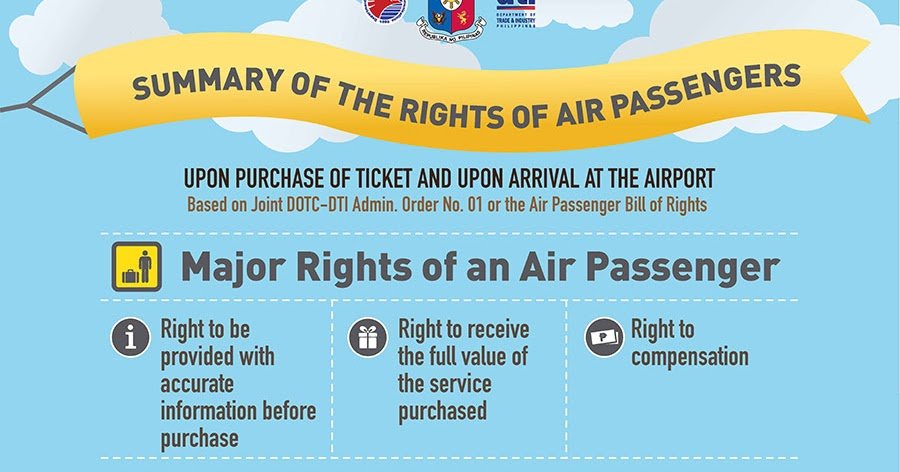
Air travel should be an accessible experience for everyone, regardless of disability or reduced mobility. While the thought of navigating bustling airports and complex airline procedures might feel daunting, you have robust rights designed to ensure a smooth, dignified, and safe journey. Understanding Air Passenger Rights for Disabled Travelers isn't just about knowing the rules; it's about empowering yourself to travel confidently and access the assistance you deserve.
From dedicated airport support to accommodations onboard, laws across the globe protect your right to fly. This guide will walk you through what to expect, how to request assistance, and what to do if your rights aren't upheld, transforming potential anxieties into assured expectations.
At a Glance: Your Core Rights & What to Know
- Equal Access: You have the same right to air travel as any non-disabled passenger.
- Free Assistance: "Special assistance" (wheelchairs, guidance, etc.) is a free service provided by airlines and airports.
- Plan Ahead: Request assistance as early as possible, ideally when booking. Most regions have advance notice requirements (e.g., 48-72 hours).
- Global Protections: Specific laws in the US, UK, EU, Canada, and Brazil ensure your needs are met.
- Assistive Devices: Your mobility aids are transported free of charge and with care.
- Recourse: If things go wrong, you have clear channels for complaints and compensation.
Defining "Special Assistance": More Than Just a Wheelchair
When we talk about "special assistance," we're referring to a comprehensive suite of services designed to support passengers with disabilities, reduced mobility, and other specific needs throughout their air journey. This isn't just for wheelchair users; it extends to elderly travelers, pregnant individuals, those with temporary injuries, sensory impairments, social communication difficulties, or even those traveling with service animals.
Crucially, this service is always free of charge. Airlines and airports are legally obligated to provide it to ensure you experience dignified travel. Think of it as a bridge, connecting you seamlessly from the curb outside the airport, through security, to your seat on the plane, and then reversed at your destination.
The Golden Rule: Requesting Assistance & Advance Notice
The cornerstone of a stress-free journey is requesting assistance proactively. While airlines and airports are prepared to help, giving them a heads-up allows them to arrange the necessary staff, equipment, and accommodations.
How to Request:
Always request special assistance when you book your flight. This can be directly with the airline, through your tour operator, or via your ticket seller. Be specific about your needs – for example, whether you need a wheelchair from check-in to the gate, assistance boarding, or help connecting to another flight.
Why Early is Best:
Planning as early as possible ensures the best possible service. While some assistance can be provided on the spot, more complex needs (like specific seating, specialized lifts, or coordinating multiple assistance points) benefit significantly from advance notice.
Advance Notice Varies by Region:
- United Kingdom & European Union: Aim for at least 48 hours before your scheduled departure. This gives airports and airlines ample time to coordinate.
- Brazil: You'll need to provide notice at least 72 hours before your flight.
- United States: Generally, no specific advance notice is required by law. However, for extraordinary requests that demand significant planning (e.g., specialized medical equipment, multiple specific accommodations), airlines may ask for 48 hours' notice. It's always a good idea to inform them as soon as you know your needs.
- Canada: Most special services require 48 hours' notice, but some simpler requests may not. When in doubt, provide notice.
Providing this information upfront minimizes last-minute scrambling and ensures that the right support is available exactly when you need it.
Navigating the Skies: Global Regulations for Disabled Travelers
While the principle of equal access is universal, the specific laws and their enforcement vary significantly by country and region. Here's a breakdown of your rights in major travel hubs.
United States: The Air Carrier Access Act (ACAA)
The US leads with comprehensive protections under the Air Carrier Access Act (ACAA), enforced by the US Department of Transportation (DOT). This law makes it illegal for airlines to discriminate against passengers with disabilities.
- Who it Covers: Disabled passengers, including those traveling with service animals.
- Where it Applies: All flights to, from, or within the United States.
- Core Rights: Airlines cannot discriminate and must accommodate the needs of disabled travelers.
- Special Assistance Examples:
- Mobility: Wheelchair or guided assistance from check-in, through security, to your gate, for boarding, deplaning, and connecting flights.
- Onboard: Help getting to and from your seat, accessing onboard lavatories, and stowing carry-on luggage.
- Airport Facilities: Assistance at ticket counters, baggage claim, and gate areas.
- Assistive Devices: Proper loading, stowing, and return of your personal mobility aids.
- Service Animals: Permission for trained service dogs (for physical, sensory, psychiatric, intellectual, or other mental disabilities) to accompany you in the cabin.
- Specifics You Should Know:
- The ACAA specifically defines service animals. Emotional support animals, comfort animals, companionship animals, and service animals in training are not considered service animals under this act.
- Airlines may require DOT forms attesting to your service animal's health, behavior, and training.
- If your assistive device is lost or damaged by the airline, they are responsible for its repair or replacement in the same condition.
- What if Your Rights are Violated?
The DOT actively investigates complaints, imposes sanctions on airlines, and requires corrective actions. You may be entitled to compensation, which can include travel vouchers or monetary awards.
United Kingdom: Equality Act & Civil Aviation Regulations
In the UK, the Equality Act 2010 and the Civil Aviation Regulations 2014 provide the legal framework, ensuring you receive assistance tailored to your needs.
- Who it Covers: Disabled passengers, the elderly, and those with social communication and interaction difficulties. A disability does not need to be permanent or visible to qualify for assistance.
- Where it Applies: All flights departing from or arriving at UK airports on UK- or EU-registered airlines. Also, flights from outside the UK or EU to the EU on UK-registered carriers.
- Core Rights: You have a right to free assistance suitable to your specific needs, both at the airport and onboard the aircraft.
- Special Assistance Examples:
- Full Journey Support: Assistance through the departure airport, during boarding, throughout the flight, for disembarking, transferring flights, and at your destination airport.
- Personalized Care: This can include help with luggage, navigating security, and finding your gate.
- Specifics You Should Know:
- Contact the airline, airport, ticket seller, or tour operator at least 48 hours before travel. Be sure to state your specific needs, whether you're traveling accompanied, with an assistance dog, or an electric mobility aid.
- What if Your Rights are Violated?
You can seek compensation under the Equality Act 2010. This can cover "injury to feelings" (distress, humiliation) and financial losses directly caused by the violation. The compensation amount varies based on the severity, duration, and intent of the discrimination. Claims for personal injuries would require medical evidence.
European Union: EC 1107/2006
The EU's Regulation EC 1107/2006 ensures a high standard of protection for passengers with disabilities and reduced mobility.
- Who it Covers: Disabled persons, persons with reduced mobility (including elderly, pregnant women, those with small children), and those traveling with assistance dogs.
- Where it Applies: All flights within the European Union, regardless of the airline's origin, and flights departing from an EU airport, or arriving at an EU airport on an EU-registered carrier.
- Core Rights: You have the right to access and benefit from air services comparable to non-disabled citizens, ensuring free movement, choice, and non-discrimination.
- Special Assistance Examples:
- Airport Navigation: Help with check-in, moving through the airport (including security and passport control), and luggage handling.
- Boarding & Deplaning: Assistance with boarding and disembarking, including the use of lifts or wheelchairs.
- In-Flight Support: Support before, during, and after your flight, including priority treatment.
- Assistance Dogs: Assistance dogs and necessary companions are permitted, provided arrangements are made in advance.
- Specifics You Should Know:
- Contact the airline, airport, ticket seller, or tour operator at least 48 hours before travel to state your needs, especially if you're traveling accompanied or with an assistance dog.
- Airlines are generally not obligated to assist with personal needs like eating or taking medication. If you require help with these, a companion may be necessary and should be seated next to you.
- What if Your Rights are Violated?
First, file a complaint directly with the airline or airport involved. If unsatisfied, you can escalate your complaint to the national enforcement bodies in the EU country where the incident occurred. These bodies can impose fines on carriers and airports. You may also seek compensation for damages or inconvenience.
Canada: Accessible Transportation for Persons with Disabilities Regulations (ATPDR)
Canada's Accessible Transportation for Persons with Disabilities Regulations (ATPDR), protected by the Canadian Transportation Agency (CTA), aims to ensure barrier-free access.
- Who it Covers: Disabled passengers, those requiring assistive devices, or service animals.
- Where it Applies: All flights to, from, or within Canada.
- Core Rights: You have the right to barrier-free access to the Canadian transportation network.
- Special Assistance Examples:
- Pre-Flight: Assistance with check-in, baggage drop, and moving through the terminal.
- Boarding & Connections: Help with boarding, deplaning, and connecting flights.
- Onboard: Assistance moving to and from onboard lavatories, seating accommodations to meet specific needs, and handling of mobility aids.
- Service Animals: Service animals (trained to assist with a disability) are permitted.
- Specifics You Should Know:
- Most services require at least 48 hours' notice, but some simpler requests do not.
- Inform airlines/airports about your assistance dog; official training confirmation is often required. Airports must provide relief areas for service dogs.
- Additional seating is provided at no extra cost if required due to your disability (e.g., for equipment or a support person).
- You can request priority treatment at border checks due to your disability.
- For severe allergies, inform the carrier a minimum of 48 hours before departure.
- The ATPDR generally does not apply to airplanes with a maximum capacity of fewer than 29 passengers.
- What if Your Rights are Violated?
Report your concerns directly to the transportation service provider (airline or airport). If the issue isn't resolved, you can file a complaint with the Canadian Transportation Agency.
Brazil: ANAC Resolution 280/2013
Brazil's ANAC Resolution 280/2013 outlines clear rights and assistance for passengers with special needs, classifying them as priority passengers.
- Who it Covers: Disabled passengers, those over 60, pregnant or breastfeeding, with reduced mobility, or traveling with young children.
- Where it Applies: All flights departing from or arriving in Brazil.
- Core Rights: Special assistance ensures equal access. Passengers requiring special assistance are considered priority passengers at all stages of their journey, including boarding and during any flight cancellations or rebookings (e.g., alternative flights, accommodation).
- Special Assistance Examples:
- Comprehensive Support: Assistance with check-in, baggage drop, airport arrival, border control, boarding, seating, and mobility inside the aircraft.
- Personalized Demonstrations: An individualized emergency procedure demonstration is available on request.
- Onboard Needs: Help stowing hand luggage, guide dogs (with documentation), and accessing bathrooms.
- Post-Flight: Assistance leaving the aircraft, transferring/connecting flights, baggage reclaim, and exiting the arrivals hall.
- Specifics You Should Know:
- Airlines cannot limit the number of special assistance passengers onboard a flight.
- Airlines are legally required to inquire about special assistance needs (travel companion, technical/communication aids) at the time of ticket purchase.
- Passengers must inform airlines of their needs at the time of purchase or at least 72 hours before departure.
- Technical aids (e.g., wheelchairs) can be used up to the aircraft door, after security checks. One technical aid is carried free of charge, either in the cabin if space permits or in the hold as fragile baggage, and must be made available immediately upon landing at the aircraft door.
- Guide dogs are permitted throughout journeys, including inside the aircraft, provided owners supply the necessary documentation.
- Manual carrying of passengers is prohibited except during emergency evacuations.
- What if Your Rights are Violated?
File complaints with ANAC (Agência Nacional de Aviação Civil), which investigates and can impose penalties on airlines. You can also seek compensation for damages through the judicial system.
Your Assistive Devices: Handled with Care
A critical aspect of inclusive air travel is the proper handling of assistive devices, such as wheelchairs, walkers, and other mobility aids. These items are often essential for your independence and are treated with special care across the globe.
In Brazil, Canada, the EU, UK, and the US, equipment like wheelchairs or other assistive devices must be transported free of charge. Airlines should treat these items with the utmost care.
- Stowage: Whenever possible, airlines are encouraged to stow these items in the cabin. If not feasible due to size or space, they are stored in the cargo hold.
- Return: Upon arrival, your assistive device should be returned to you promptly at the aircraft door, allowing for immediate use.
- Onboard Assistance: Airlines are required to provide assistance to help you reach your seat. This might involve using a lift or an aisle wheelchair, especially if the aircraft does not connect via a jet bridge (which is common with low-cost carriers). It's always a good idea to check availability of such assistance when booking, particularly if you have specific mobility needs regarding boarding.
- Damage Protection: In the US, the Air Carrier Access Act provides additional protection, ensuring that airlines compensate you if your equipment is lost or damaged during transit. You can Discover the baggage claim cast for issues related to all kinds of lost or damaged baggage, including assistive devices.
Remember, your assistive devices are an extension of you, and their safe and prompt handling is a non-negotiable part of your air travel rights.
What to Do When Things Go Wrong: Seeking Recourse
Even with the best planning, sometimes things don't go as expected. Knowing your recourse options is crucial.
- Speak Up Immediately: If you encounter an issue at the airport or onboard, bring it to the attention of airline staff or airport personnel (e.g., special assistance providers) right away. They may be able to resolve it on the spot. Ask to speak with a Complaints Resolution Official (CRO) if you are in the US; they are specifically trained in ACAA regulations.
- Document Everything: Keep a record of the incident. Note the date, time, flight number, names of staff involved, and specific details of what happened. Take photos or videos if relevant (e.g., damaged equipment).
- File a Formal Complaint:
- Directly with the Airline: Most airlines have online complaint forms or dedicated customer service channels for passengers with disabilities. This is usually the first step, regardless of your location.
- Airport Authority: If the issue primarily involved airport facilities or contracted assistance at the airport, you can also file a complaint with the airport operator.
- National Enforcement Bodies:
- US: US Department of Transportation (DOT).
- UK: Civil Aviation Authority (CAA) and potentially under the Equality Act 2010.
- EU: The national enforcement body in the relevant EU country (each member state designates one).
- Canada: Canadian Transportation Agency (CTA).
- Brazil: ANAC (Agência Nacional de Aviação Civil).
These bodies are responsible for investigating complaints, ensuring compliance, and in some cases, imposing penalties or facilitating compensation.
- Seek Compensation: Depending on the severity and nature of the violation, you may be entitled to compensation for damages, inconvenience, or "injury to feelings." This can range from travel vouchers to monetary payments, as outlined in the country-specific sections. Consulting legal advice for more complex or significant claims may be beneficial.
Key Takeaways for a Smooth Journey
Traveling with a disability or reduced mobility doesn't have to be a source of stress. By being informed and proactive, you can ensure a journey that is as comfortable and seamless as possible.
- Be Your Own Advocate: While assistance is a right, you play a vital role in securing it. Clearly communicate your needs, provide advance notice, and don't hesitate to ask questions or reiterate your requirements.
- Know Your Laws: Familiarize yourself with the regulations of your departure, transit, and destination regions. This knowledge is your shield and sword.
- Pack Smart: Keep essential medications and important documents (like medical letters or service animal certifications) in your carry-on luggage.
- Stay Calm and Persistent: If a problem arises, remain calm but be persistent in asserting your rights. Remember, the staff are there to help, and many issues can be resolved quickly with clear communication.
Air travel opens up a world of possibilities, and with these rights firmly in hand, you’re ready to embrace every journey with confidence. Safe travels!